You had a good thought.
Until you hit record.
Now you are trying to remember the point, explain it properly, make it interesting, not ramble and not look weird.
Great. There goes the good thought.
You don’t need another take. You need a board.
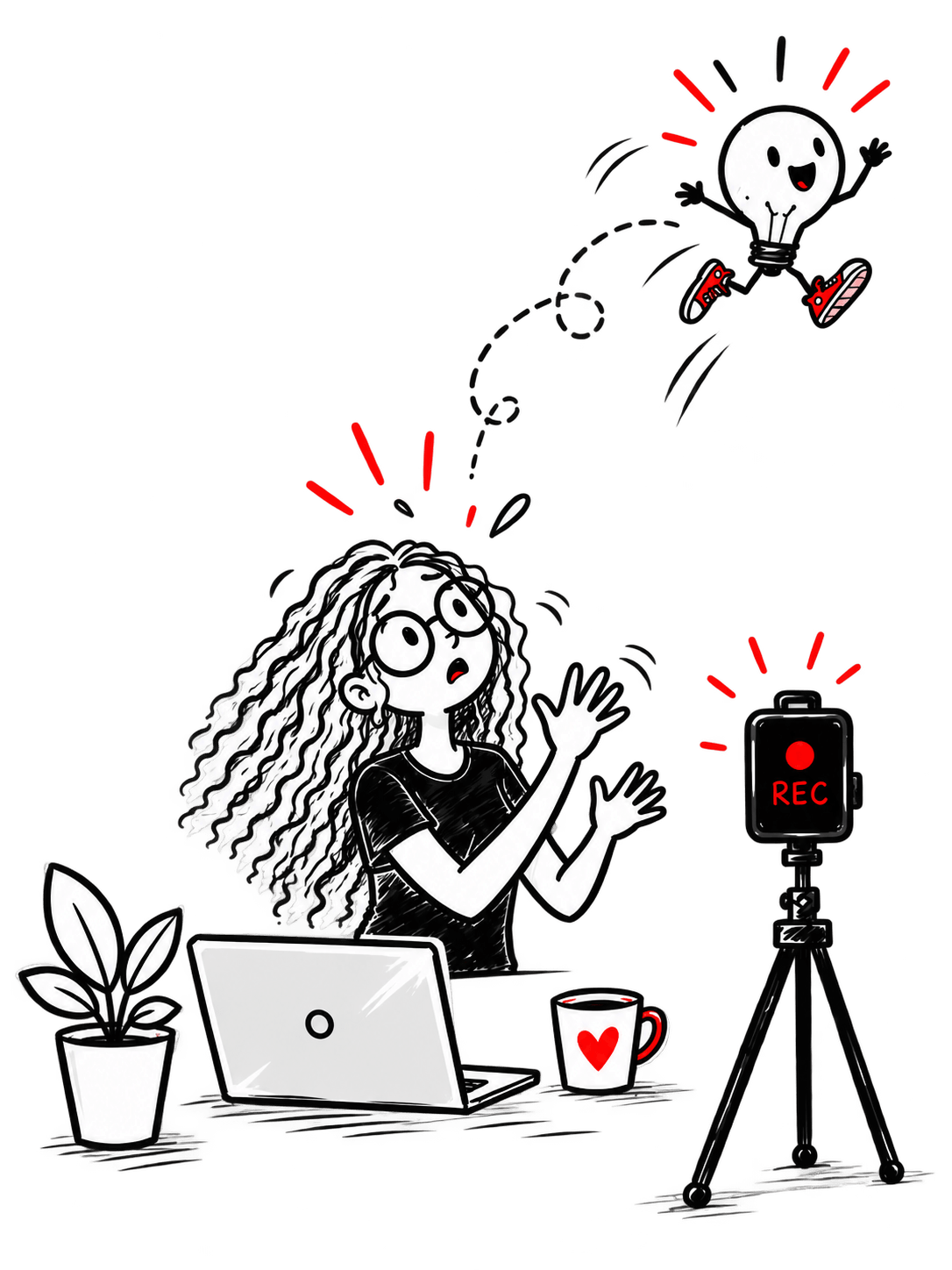
This is what happens when you hit record.
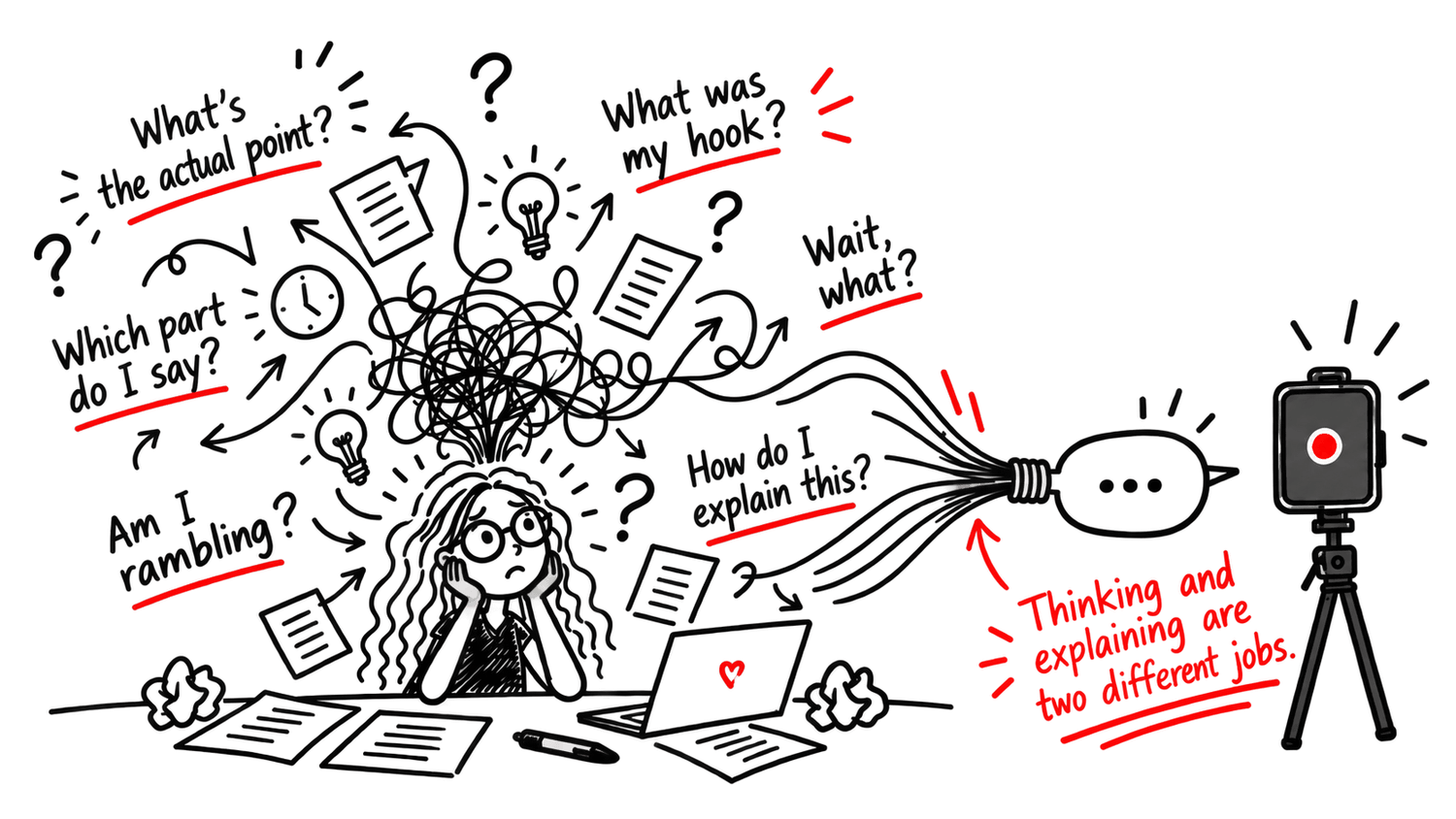
No wonder talking-head Reels feel exhausting.
Thinking and explaining are two different jobs.
The problem is that your brain is multitasking.
You’re trying to remember your hook, keep track of your thought and make sure you look good on camera. At the same time, your brain starts judging you.
You have no visual structure to look at while you explain your points. That makes it harder for you to explain — and harder for the people watching to follow.
Then you have to add visuals afterwards to help them understand what you were trying to say.
The whiteboard makes your thought visible.
Now you can see it and talk it through — and your clients and audience can follow along.
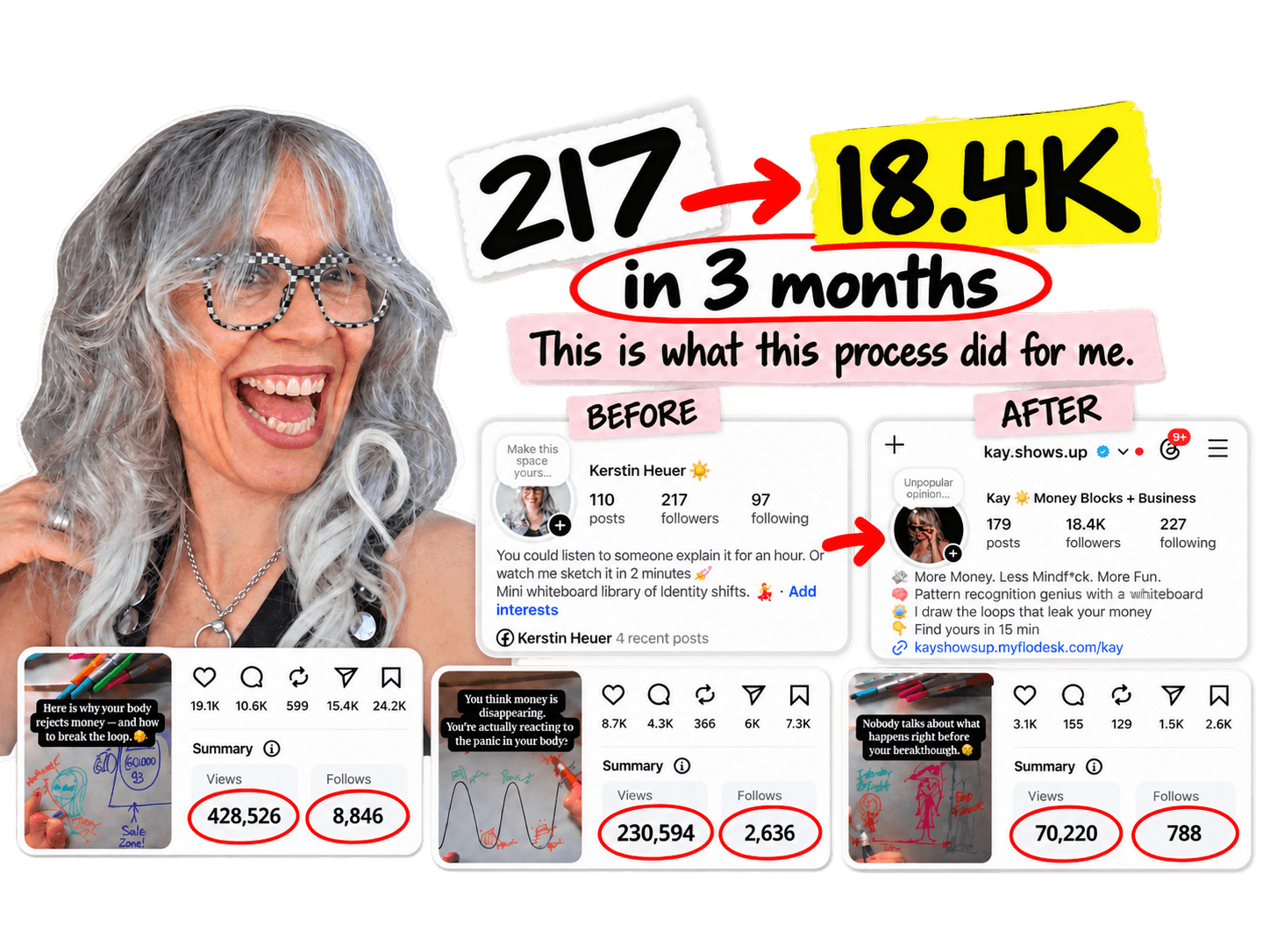
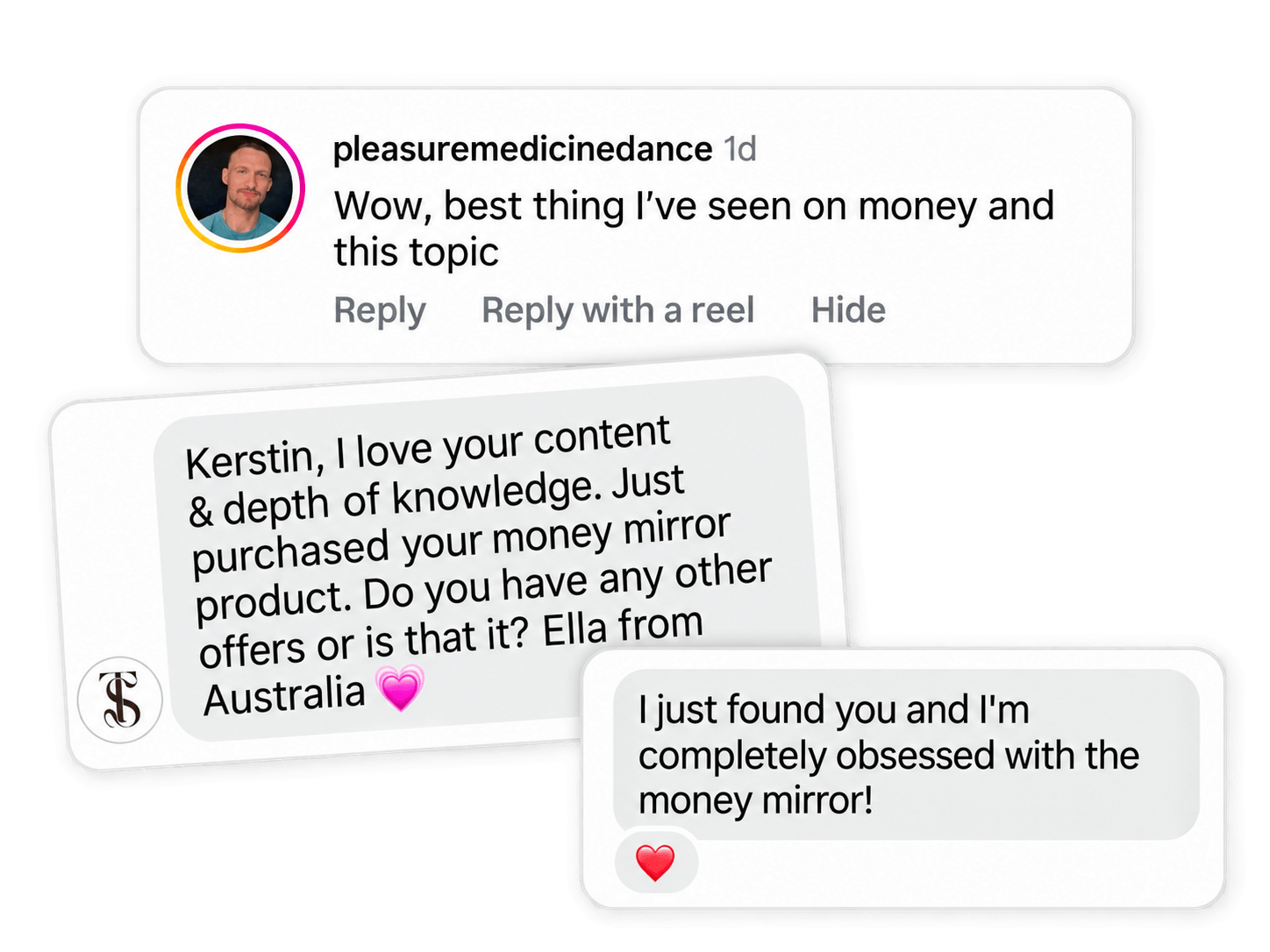
With Whiteboard Yapping, my account grew from 217 to 18.4K in three months.
For years, my “professional” Instagram account was stuck at 587 followers. Then I tried scribbling what my clients were secretly thinking on a whiteboard, and suddenly, within three months, this happened.
I started using the whiteboard because I felt like my voice was stuck in my throat.
I had things to say, but the second I tried to explain them in a talking-head Reel, I started rambling. One Reel took me four to five hours.
I could see it in my head, but explaining it in a Reel was really hard.
So I drew it.
Energy became circles. Thoughts became bubbles. A decision became a fork. A loop became arrows.
And suddenly people got it because they could finally see what I meant.
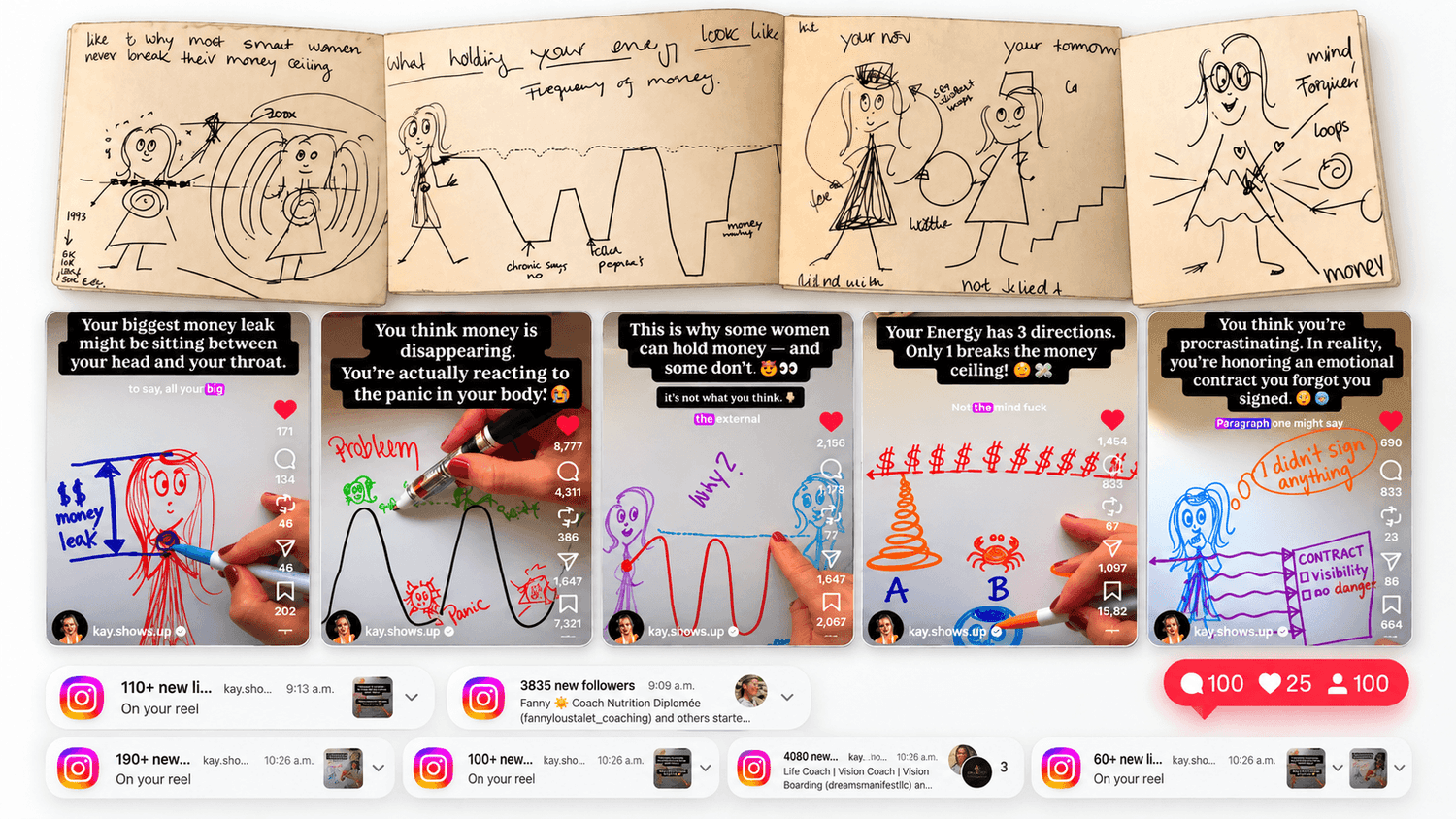
I found my own flow. And you can too!
When you can see what you want to talk about, speaking becomes easy.
You don’t have to remember every point or perform somebody else’s version of content.
You can take your time, talk in your own language and actually enjoy making Reels.
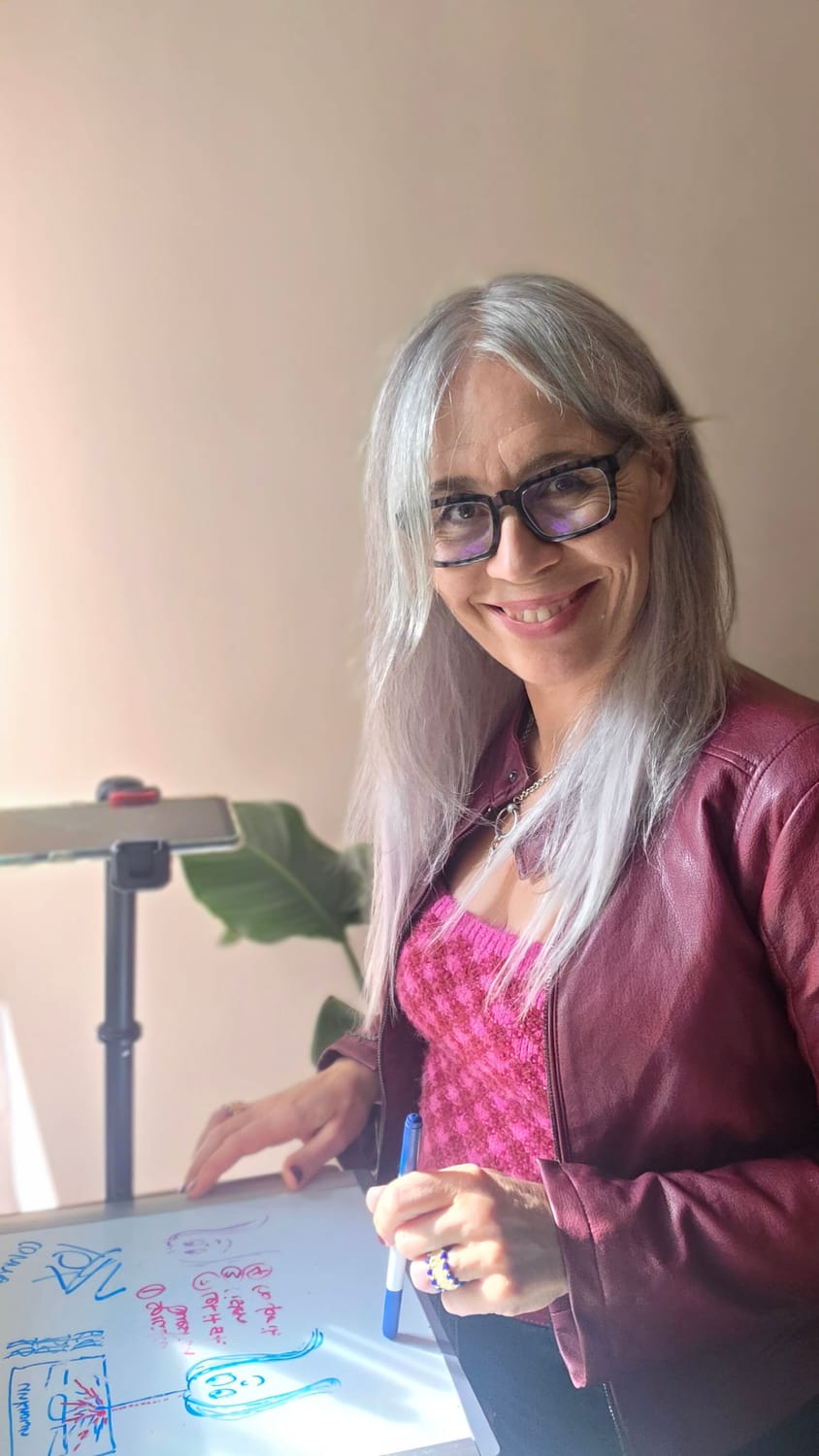
MAP IT. YAP IT. POST IT.
MAP IT.
Use my Idea Decoder prompt to find your idea and perspective shift. Pick one of my 12 YAP Maps. Scribble three to five little beats. I’ve already done the visual thinking for you.
YAP IT.
Use my best-performing hook structures and the psychology behind them to make people obsessed with watching your Reels. Record shot-by-shot. Stop. Draw. Talk. Point. No memorizing a monologue.
POST IT.
Edit it. Post it. Use my Reel Forensics Analysis to fine-tune your wording to attract people who are ready to buy and help the algorithm understand your niche.
Everybody has AI. Nobody has your hands and your voice.
AI can make captions. AI can make images. AI can make something polished that sounds like everybody.
But when people see your hands draw a thought and hear your voice while you talk them through it, they immediately connect with you.
You build authority because they know this is not fake. It is you.

And the best part? Your best Reel ideas are already in your DMs.
A sentence somebody sends you. A question they keep asking. A problem you explain every week.
These are the points you can use to make people think:
“How does she know exactly what is going on in my head?”
Here’s what we’re doing in Whiteboard Yapping.
Monday, October 5: Live Kick-off
Let’s get the party started.
We meet live! I’ll walk you through my setup, show you what’s coming over the next 14 days and how to post and comment in the community.
And you can ask me all your questions.
October 5–7: Pre-Lessons + Look over my shoulder
On October 5, you get access to my pre-recorded lessons. Watch them at your own pace.
First, the foundations:
- How I find a thought, question or process worth making into a Reel
- How I decide what belongs on the board — and what does not
- How much to draw and how to keep it simple
- How I set up my phone, board and markers without turning this into a shopping project
- Then look over my shoulder in a pre-recorded walkthrough as I make a Reel from start to finish.
A real example: the messy idea, the main point, the scribble and stop-and-go recording. Then into my editing app, where you see exactly how I put it together.
The whole workflow — as if you were sitting right next to me.
By October 8, you’ll probably already have ten ideas and be excited to get started.
Starting October 8: 12 YAP Map Drops
Now the fun starts! Yay!
Every day, I share one of my YAP Maps with an example: what I draw, why I draw it and how I talk it through.
You’ll see Inner Dialogue Mapping in action — my secret to making people think I’m sitting right inside their head. I’ll share exactly how I do that so you can use the technique too.
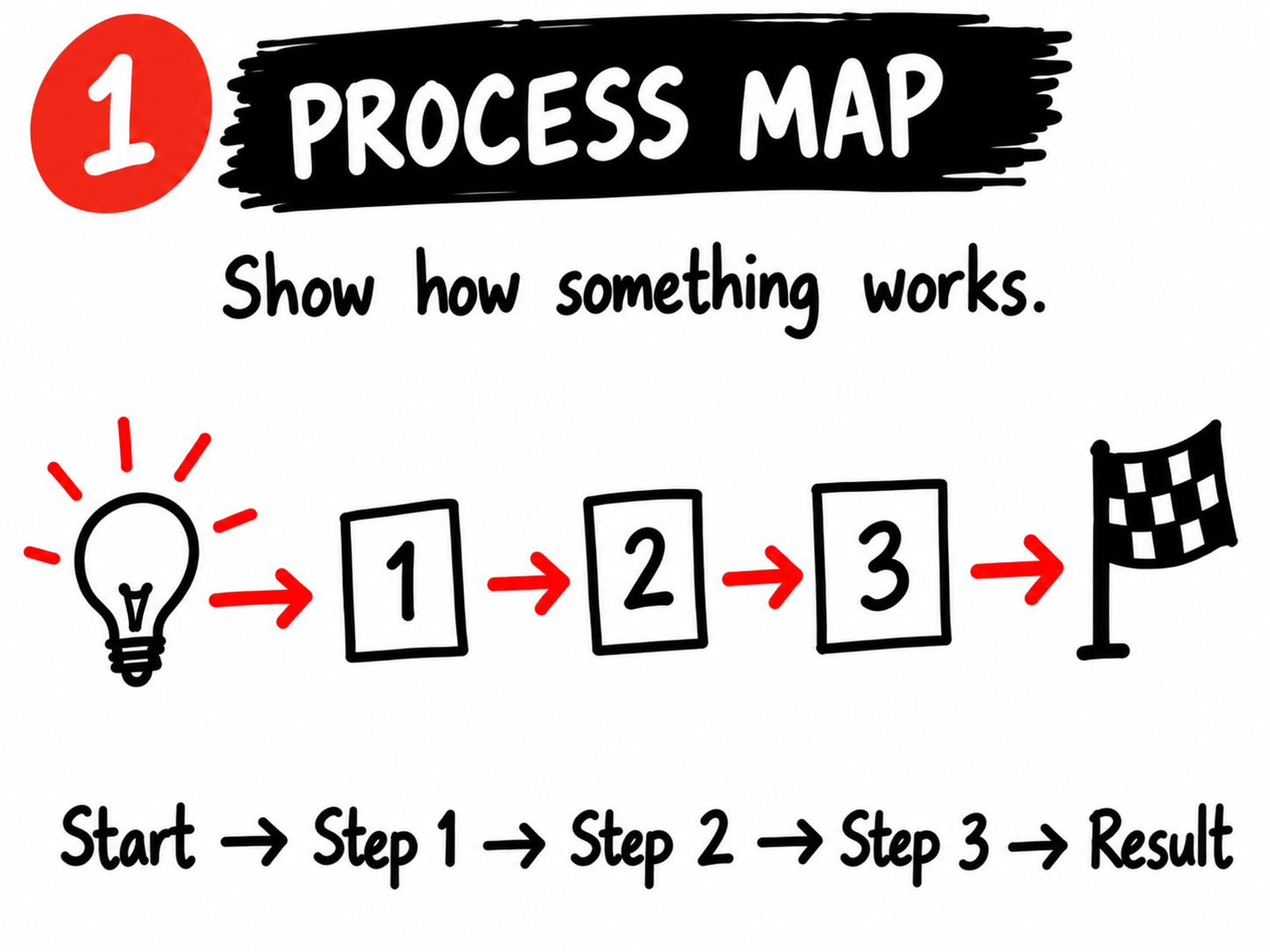
The 12 YAP Maps show you different angles. You can follow the map structure, change it or draw something completely your own. The maps are there to give you ideas and make the process fun.
I personally find it easier to get an idea out when I have a structure to follow.
Here are some of my favorite YAP Maps — you’ll get them, and I’ll show you how to use them.
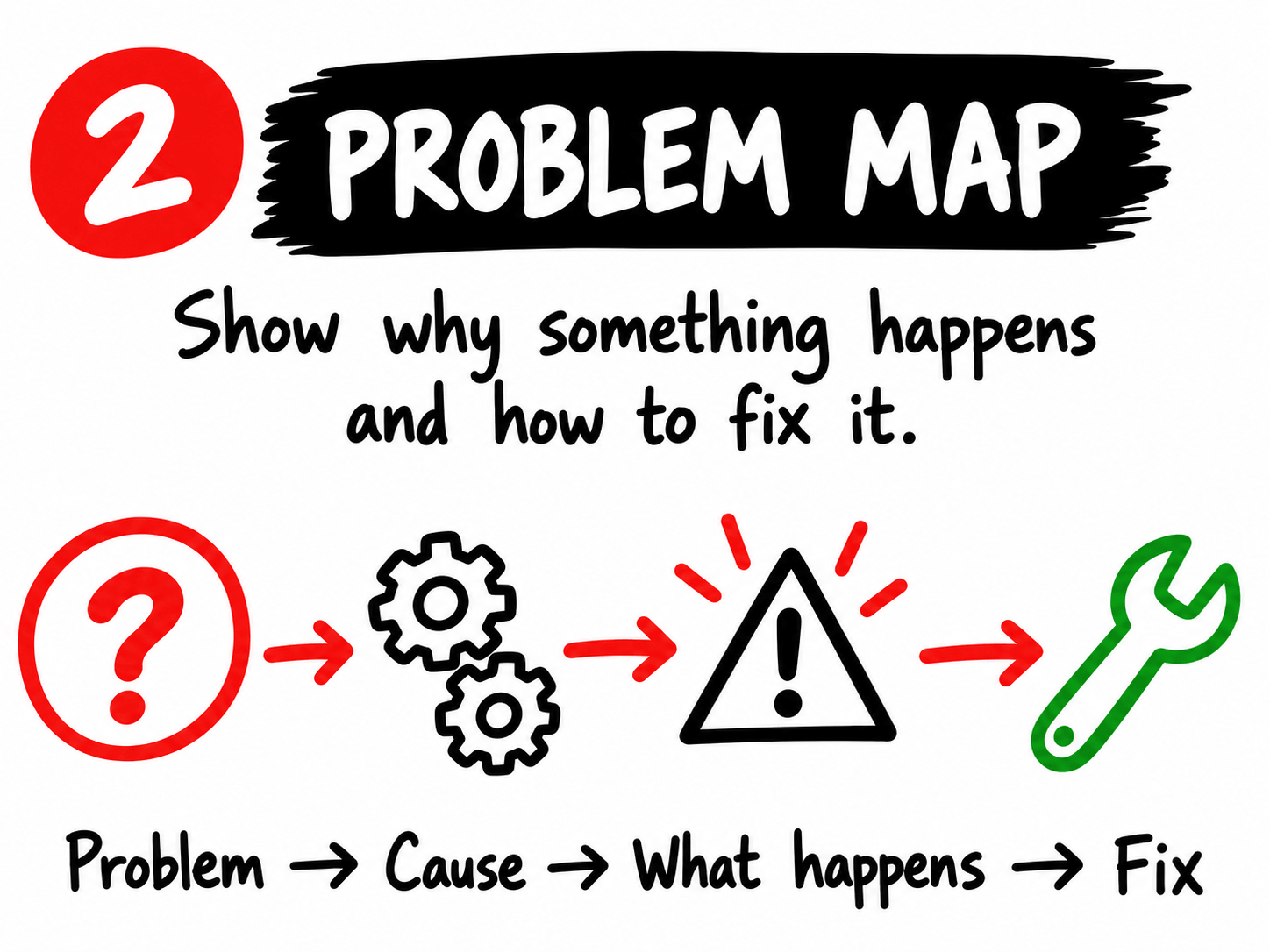
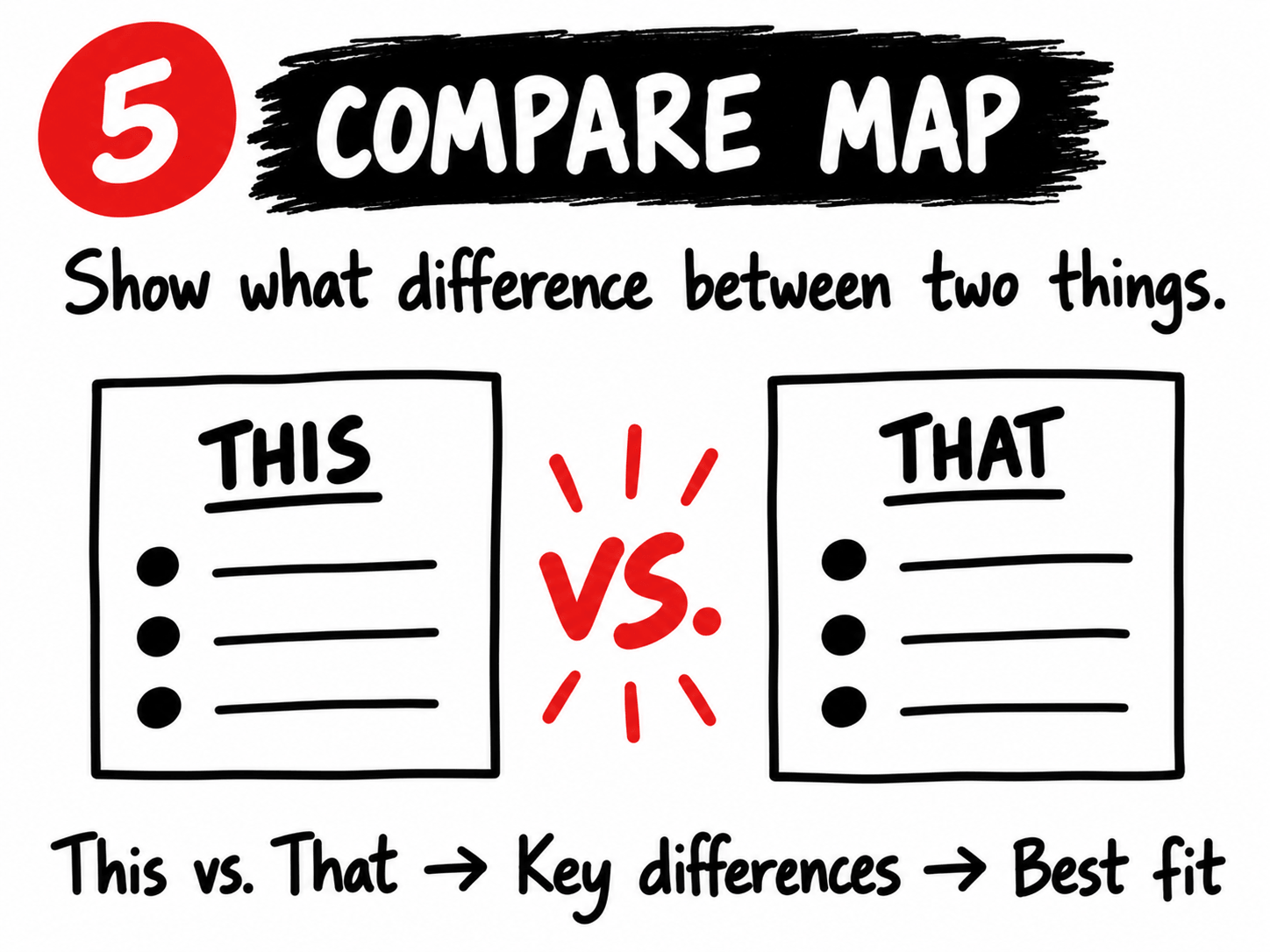
Community and Feedback
We’ll cheer each other on, share scripts and questions in the community, and I’ll do the challenge alongside you and give you feedback whenever you want it.
The private community and daily feedback run through October 20. Your access to the lessons and full Map Library stays with you afterwards.

1. My Complete Whiteboard Yapping System — $497
My complete process from messy thought to finished Reel.
How to get the thought out of your head, find the idea worth talking about, map it, scribble it and turn it into a Reel.
Including idea decoding, analog mapping, authority, buyer psychology, hooks, simple stick figures, recording and editing.
2. The Complete 12 YAP Map Library — $397
12 different maps for turning your ideas, methods, stories and processes into something people can see and understand.
For every map, I show you when to use it, how to find the idea, how to scribble it, examples from different industries, my own Reel breakdowns and hooks to get you started.
3. 14-Day Challenge + Community + Daily Feedback — $397
For 14 days, you make the boards and I’m in there with you.
Post your work, ask questions and get feedback. Every day I’ll pick boards from the community and show you what I’d keep, what I’d change and what I’d do before recording the Reel.
BONUS: The Reel Forensics Method — $297
If you want your Reels to sell, you need to know who is responding, which words and hooks are working and what to improve next.
I’ll show you the behind-the-scenes AI process I use to analyze my Reels and figure out what to change to bring in more of the people I actually want to sell to.
Total value: $1,588
Whiteboard Yapping
Founding Round
Live Kick-off: October 5
Challenge starts: October 8
Is this for you?
You want to get your butt in here ASAP if…
- You want people to watch your Reel and think:
“Wow. She really knows her stuff. How can I work with her?” - You have tried Whiteboard or iPad, you love my style and you are thinking, “There has to be an easier way to do this.”
- You want to share your ideas visually instead of trying to squeeze your whole brain into 90 seconds.
- You want a boots-on-the-ground way to actually get the content out of your head and onto Instagram.
- You already use a whiteboard with your clients or when you teach — and now you want to know how to use it for Reels.
- You want to do it with me, not watch another course while eating lunch and then never open it again.
- You want to laugh, have fun and enjoy making the content again.
- You want to get inside my head and see how I turn a thought into a Reel without losing the plot halfway through.
- You want to get your content out faster, make your point clearer and have your people think, “She is in my head.”
- You want a simple way to find your flow — and maybe enjoy posting again.
You don’t want to join Whiteboard Yapping if…
- You are looking for 500 Canva templates.
- You want a generic content calendar telling you what to post every Tuesday.
- You want a fancy drawing course. Sorry, I am not an artist. Lol.
- You don't like my whiteboards and what I do. Haha.
Questions? I have answers.
What if my drawing skills stop at stick figures?
You do not need to be able to draw.
You need a circle, a line, an arrow, a thought bubble and a red pen for the bit that matters.
You are not trying to make art.
You are trying to make a thought visible.
What if I have no idea which thought to use?
Bring the thing you keep thinking about.
Bring the thing your clients keep saying on calls, in DMs or in comments.
Bring the method you explain all the time but wish people understood faster.
We will find the part worth putting on the board.
Do I really have to make all 12 maps?
No.
You have all 12 maps available from the beginning of the round. You pick the ones that fit your thought, your method and your people.
I am already comfortable on camera. Do I still need this?
Yes.
The board is not a crutch for people who cannot speak.
It is a way to give people something to see while you explain a complicated thought, method or process.
You can be great on camera and still make your point land harder when people can see it happening.
Do I have to become a full-time Whiteboard person now?
No.
You are getting another way to make your strongest ideas visible.
Use it when a board makes the thought land better. Use a talking-head Reel, Story, B-roll or anything else when that makes more sense.
The goal is not to become a whiteboard machine.
The goal is to stop leaving your best thoughts in your head.
Do I need AI for this?
No.
Whiteboard Yapping works with your brain, a board, markers, your phone and your voice.
I may show you where AI can make a step easier, but it is not required and it is not the thing that makes the Reel work.
Do I have to show my face?
No.
Your hands, board and voice can carry a lot.
You will also see how to use your face when you want a Reel to feel more personal or you want to land a strong final line.
How much time is this actually going to take?
Plan time for the Kick-off, the Pre-Lessons and for making the Maps or Reels you choose to try.
You do not need to make all 12 maps. This is not a daily-content punishment.
You get to use the Map Drops as live momentum and return to the Core Lessons and Map Library afterwards.
What do I actually need to get started?
A phone, something to draw on, a few markers and a way to prop up your phone is enough to start.
I will show you the simple setup I use.
Let’s get the party started!
I’m so excited to hang out with you over the next two and a half weeks!
I can’t wait to get to know your business, brainstorm with you and see your ideas take shape on a whiteboard.
Let’s find your own whiteboard style — and a way to connect with your audience that makes them think, “How can I work with you?”
Start Whiteboard Yapping